Contact lens exams and fittings in Sterling Heights
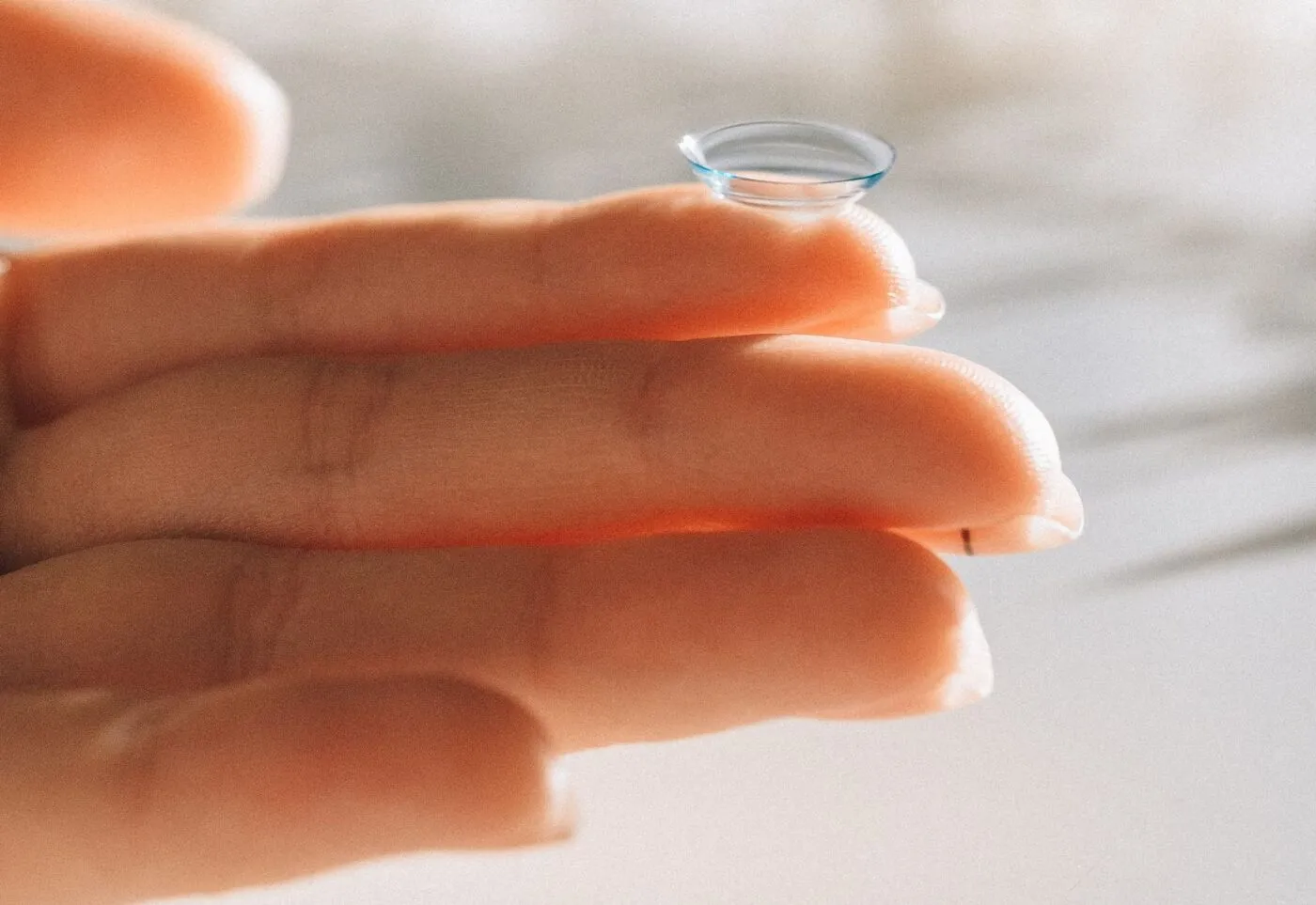
A contact lens exam adds a fitting to your eye exam. Dr. Yousif Ghaleb, O.D., checks that your eyes are healthy for lens wear, measures the front of each eye, and has you try lenses so you can judge comfort and vision. Once the fit is confirmed, you receive your contact lens prescription, which you can fill wherever you like.
Who it is for
- First-time wearers who want to try contact lenses, with training on putting them in and taking them out
- Current wearers who need a renewed prescription or whose lenses feel less comfortable than they used to
- People who want to switch lens type, for example from monthly lenses to daily disposables
- Anyone who wears contacts for sports or work and glasses the rest of the time
What to expect
Eye exam and history
The doctor updates your prescription and checks eye health, then asks how you use your eyes, how long you want to wear lenses each day, and how past lenses have felt.
Measurements for fit
The doctor measures the curve and size of the front of the eye and looks closely at the cornea, eyelids and tear film, because these decide which lenses can sit comfortably and safely.
Trial lenses
You try a lens on the eye. The doctor checks how it centers and moves, and you compare vision and comfort. New wearers practice putting lenses in and taking them out before leaving.
Follow-up
Many people go home with trial lenses and come back after wearing them for a while, so the doctor can recheck the fit and your eyes before finalizing the prescription.
Your prescription
When the fitting is complete, you receive a copy of your contact lens prescription without having to ask. Buy lenses here or anywhere you choose.
How to prepare
- If you already wear contacts, wear them to the visit (unless they hurt) and bring the box or foil packs with the brand and power
- Bring your current glasses and your lens case
- Bring your vision and medical insurance cards and a list of medications
- Note any times your lenses feel dry, blurry or uncomfortable, so you can tell the doctor
Contact lens exam or eye exam?
An eye exam answers how well you see and how healthy your eyes are, and ends with a glasses prescription. A contact lens exam includes that, plus a fitting. Because a contact lens rests directly on the cornea, the doctor has to measure the shape of the front of the eye, look at the eyelids and tear film, and watch how a real lens behaves on your eye. That is why a glasses prescription, however recent, cannot be turned into a contact lens prescription. Contact lenses are regulated medical devices, and a good fit is part of keeping your eyes healthy, not just comfortable.
Fitting, trial lenses and follow-up
We fit soft lenses on daily, two-week and monthly replacement schedules. The right one depends on your prescription, how often you plan to wear lenses, how your eyes feel by the end of the day, and how much lens care you want to do. After a trial lens is on the eye, the doctor checks that it centers, moves slightly when you blink, and gives clear vision. Many people take trial lenses home to wear in daily life, then return so the doctor can look at the eye after real wear and fine-tune the choice. If you are new to contacts, you will practice putting lenses in and taking them out, and learn cleaning and storage, before you leave.
If a standard soft lens is not giving you clear or comfortable vision, ask whether a specialty fit is right for you. We will refer you if needed.
Your contact lens prescription
The federal Contact Lens Rule protects your right to shop for lenses. In plain words: when your fitting is complete, the doctor gives you a copy of your contact lens prescription, whether or not you ask, and you may be asked to sign that you received it. Nobody can make you buy lenses here, pay an extra fee, or sign a waiver to get it. Michigan and federal law both set a minimum of one year before a contact lens prescription expires, unless the doctor has a documented medical reason for a shorter period. If you order online, the seller either receives a copy of your prescription or checks it with our office. Do not accept a different brand from a seller unless the doctor has approved it.
Wearing lenses safely
Most serious contact lens problems come from how lenses are worn and cleaned, and most are avoidable:
- Wash and dry your hands before touching your lenses.
- Do not sleep in lenses unless the doctor has prescribed lenses for overnight wear and confirmed it is safe for you.
- Keep lenses away from water. Do not shower, swim or use a hot tub in them, and never rinse or store them in tap water.
- Use fresh solution every time; do not top off old solution. Rub, rinse and air-dry your case, and replace it regularly.
- Replace lenses on schedule, even if they still feel fine.
- If an eye becomes red, painful, blurry or sensitive to light, take the lens out and get seen the same day. Bring the lens and case with you.
Good to know
- A contact lens prescription cannot be written from a glasses prescription alone. It needs a fitting on your eyes.
- Some eyes need specialty lenses that are not part of a routine soft lens fitting. Ask whether a specialty fit is right for you; we will refer you if needed.
- If your eyes are red, painful or unusually light sensitive while wearing lenses, take them out and get a same-day eye visit rather than waiting for a routine appointment.
Insurance and cost
Many vision plans treat the contact lens fitting as separate from the routine eye exam, sometimes with its own copay or allowance, and lens benefits often replace a glasses benefit for that year. Check your plan before your visit. Our insurance page lists plans as participation is confirmed.
Questions
Is a contact lens exam different from a regular eye exam?
Yes. A regular eye exam gives you a glasses prescription and checks eye health. A contact lens exam adds the fitting, measurements and trial lenses needed to write a contact lens prescription, which a glasses prescription does not cover.
Why is my contact lens prescription different from my glasses prescription?
A contact lens sits on the eye rather than a short distance in front of it, so the power can differ, especially for stronger prescriptions. A contact lens prescription also names the lens brand or type, curve and diameter, which only a fitting can determine.
Will I get a copy of my contact lens prescription?
Yes. Federal rules require the doctor to give you a copy when the fitting is complete, even if you do not ask. You cannot be required to buy lenses, pay an extra fee, or sign a waiver to get it.
How long is a contact lens prescription good for?
At least one year under both federal and Michigan law, unless the doctor has a medical reason for a shorter period and explains it. When it expires, you need a new exam to renew it.
Can I sleep or shower in my contact lenses?
Do not sleep in lenses unless the doctor has prescribed lenses approved for overnight wear and told you it is safe for your eyes. Keep lenses away from water, including showers, pools and hot tubs, because water can carry organisms that cause serious eye infections.
I have never worn contacts. Is it hard to learn?
Most people get comfortable within a session or two. New wearers practice putting lenses in and taking them out with guidance, and learn how to clean and store them before taking any lenses home.
Do you fit specialty contact lenses?
Ask at your visit whether a specialty fit is right for you. Some eyes, such as those with an irregular cornea, need lenses beyond a routine soft lens fitting, and we will refer you to a colleague who fits them if needed.
Sources
- About Contact Lenses (Healthy Contact Lens Wear and Care), Centers for Disease Control and Prevention (CDC)
- The Contact Lens Rule: A Guide for Prescribers and Sellers, Federal Trade Commission (FTC)
- Is it possible for a glasses prescription to differ from a contact lens prescription?, American Academy of Ophthalmology (AAO)
- Buying Contact Lenses, U.S. Food and Drug Administration (FDA)
- MCL 333.5557 (definitions of valid contact lens and spectacle prescription), Michigan Legislature
Last updated October 20, 2026. Clinically reviewed by Dr. Yousif Ghaleb, O.D. (approval relayed by Hassen) on October 22, 2026.